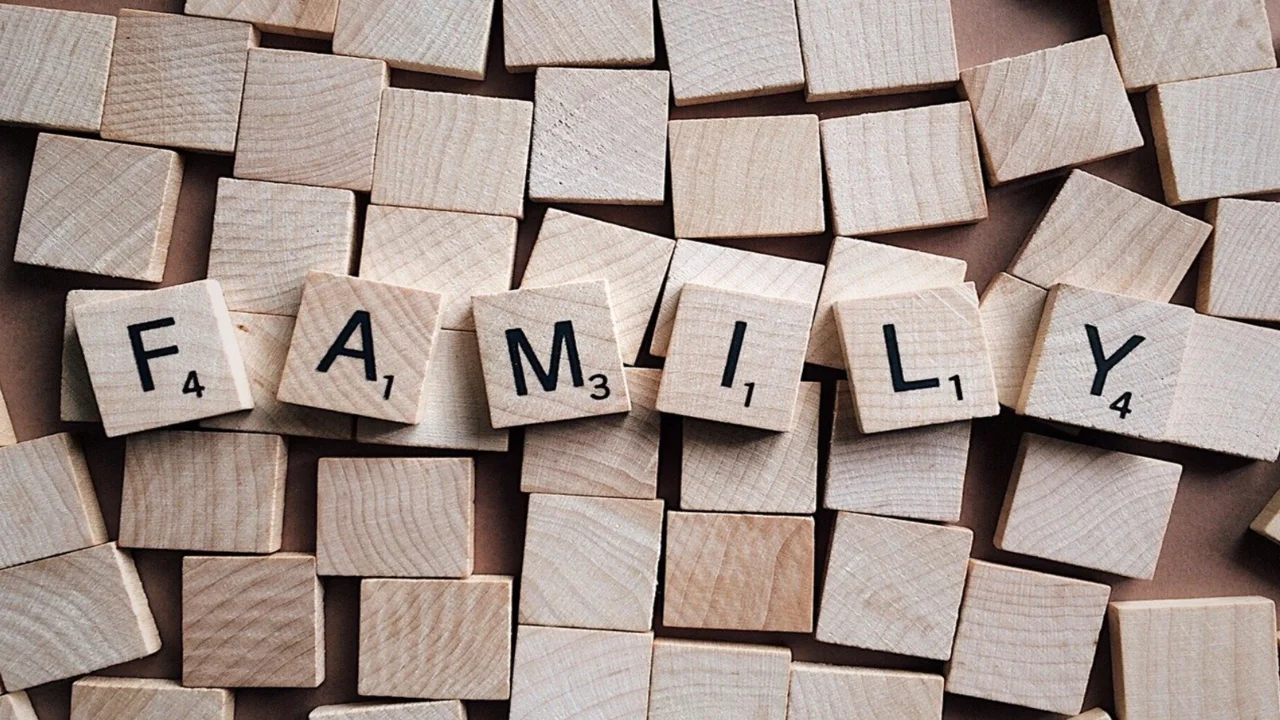
What We Mean by “Family”
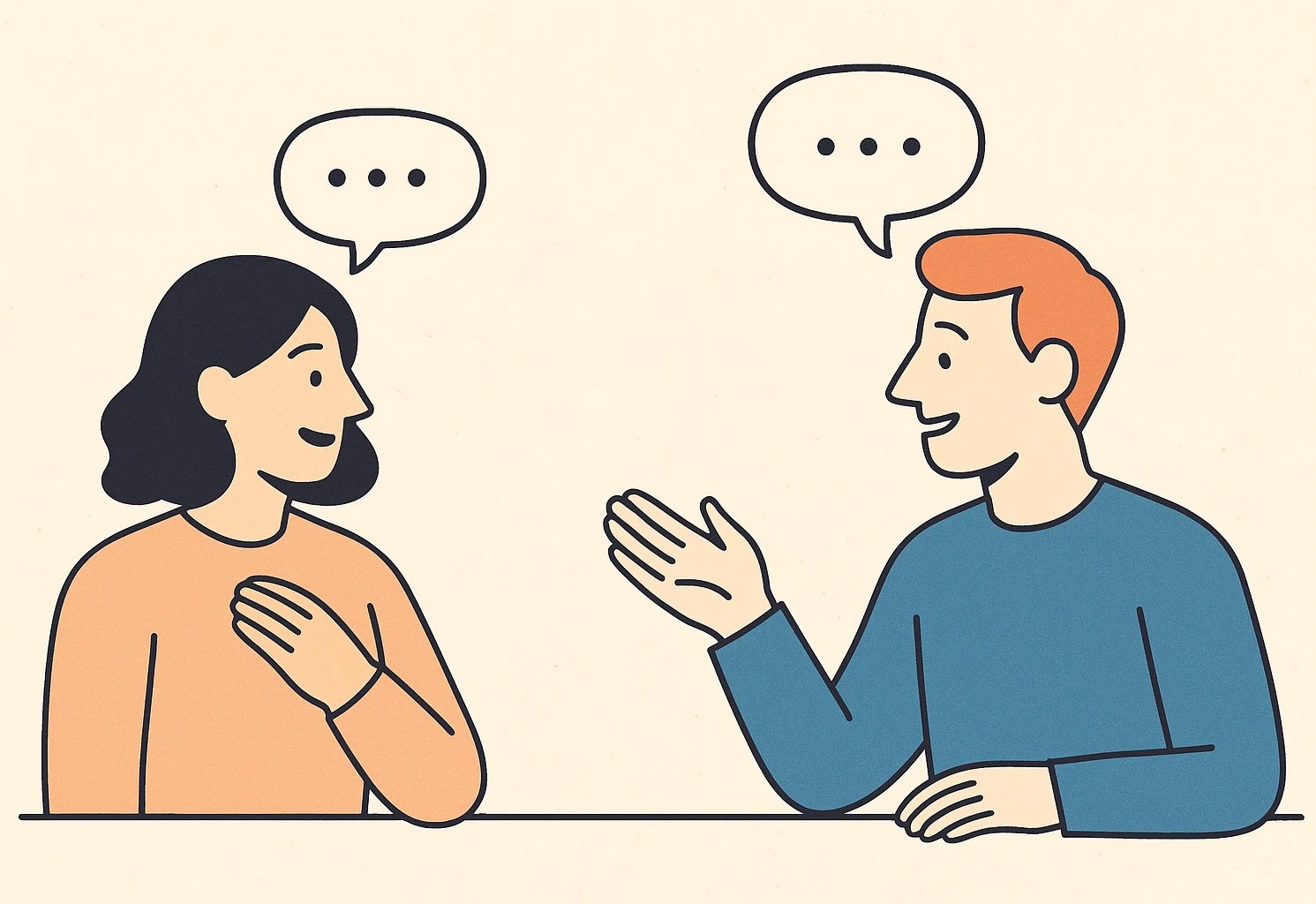
Not a postcard or a legal box to tick — a living system. A few people, shared routines, a handful of rules you actually keep. It’s the place where we test boundaries, learn to disagree without wrecking the room, and practice care in small, unglamorous ways.
Six Ways Family Quietly Changes Everything
1) Everyday emotional shelter
After a rough shift or a blunt email, you need somewhere to set the armor down. Tiny rituals — tea at nine, a walk around the block, the “text me when you’re home” rule — lower the static of stress. Safety first; the solutions come easier after.
2) A training ground for growth (especially for kids)
Children copy what we do, not what we post. When adults keep consistent limits, name feelings, and repair after conflict, kids learn self-control and empathy. Adults grow too: supporting a moody teen or an aging parent stretches patience and perspective like nothing else.
3) Shared meaning you can stand on
Maybe it’s faith. Maybe it’s fairness. Maybe it’s as simple as “we don’t ghost people.” Families write a small constitution that guides choices when pressure hits — what jobs we refuse, when we apologize, which lines we won’t cross.
4) Division of labor that keeps life running
Comfort is practical. Someone pays the water bill on time, someone cooks when deadlines bite, someone finally fixes the hinge. Clear roles (and occasional swaps) cut resentment, save hours, and free attention for study, rest, or play.
5) A support net during change
Layoffs, exams, newborns, grief — life swings hard. The families that ask, “Money, time, or company?” help members adapt faster and avoid shame spirals. Celebrating quiet wins matters too: first clean scan, first pitch, first article — momentum grows when noticed.
6) Trust that expands your world
When you’re sure a few people won’t eject you for failing, you attempt better things — new city, new field, therapy, the honest conversation. Trust isn’t the absence of conflict; it’s conflict without exile. A secure base makes independence easier, not smaller.
How Clinicians Often Frame It
Healthy families act like resilient teams: they name problems, spread effort, repair after friction, and keep attachment warm. Two habits show up everywhere — emotion regulation (anger doesn’t drive) and perspective-taking (no one becomes “the problem”). Roles flex over time; the learner becomes the tutor, the caretaker learns to accept care.
Don’t Ignore the Practical Stuff
Money and logistics are love with sleeves rolled up: rent covered during a bad month, the 7:30 a.m. drop-off, a quick call to open a job lead. Emotional support lands better when the fridge isn’t empty.
Bottom Line
Family, at its best, offers a steady climate for feelings, a lab for hard skills, and a pact to repair rather than abandon. Not perfect — just committed. And that, more than grand speeches, is what carries people through.